

What Can You Put in a Rental Dumpster?
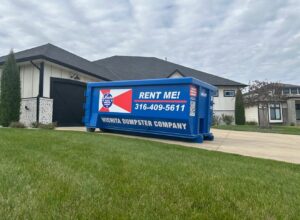
Whether you’re cleaning out your garage, remodeling your home, or tackling a long-overdue property cleanup,renting a dumpster can make the process much easier.
Instead of making multiple trips to the landfill or filling your regular trash bins for weeks, a roll-off dumpster gives you one convenient place to collect debris as you work.
However, not everything belongs in a dumpster. Knowing what you can and cannot dispose of before your project begins can help you avoid delays, unexpected fees, and disposal complications.
If you’re planning a cleanup in Wichita, Kansas, here’s what you should know before renting a dumpster.
1. Household Junk and General Clutter
One of the most common reasons homeowners rent dumpsters is to get rid of accumulated household clutter.
Over time, garages, basements, spare bedrooms, and storage sheds can become packed with items that are no longer useful. A dumpster makes it easier to clear out those spaces without constantly worrying about overflowing trash cans.
Depending on the rental terms and disposal requirements, common household items that may be accepted include:
Old furniture, including chairs, tables, and dressers
Mattresses and other bulky household items
Broken toys and unwanted household goods
General household clutter
Old carpeting and rugs
Nonhazardous trash and debris
Planning a major cleanout? Before you begin loading, confirm which items your dumpster rental provider accepts. Some materials may require special handling or separate disposal.
2. Construction and Remodeling Debris
Home improvement projects can produce a surprising amount of waste. Even a relatively small renovation can leave you with piles of materials that won’t fit in your regular trash bin.
A roll-off dumpster can provide a convenient solution for collecting debris throughout your project.
Common construction and remodeling materials may include:
- Drywall
- Wood scraps and lumber
- Flooring materials
- Cabinetry
- Doors and trim
- Roofing shingles
- Nonhazardous renovation debris
The types of materials accepted can depend on the dumpster provider, disposal facility, and rental agreement.
If you’re planning a kitchen remodel, replacing flooring, or renovating an entire room, discuss your project with your dumpster rental provider ahead of time. This helps ensure you select a container appropriate for your debris and understand any material restrictions.
3. Yard Waste and Outdoor Cleanup Materials
Outdoor projects can create just as much debris as indoor renovations.
From clearing overgrown landscaping to cleaning up after a storm, having a designated container can make outdoor work more manageable.
Depending on the provider’s policies, accepted materials may include:
Branches and brush
Leaves and other yard debris
Old fencing
Broken outdoor furniture
Nonhazardous landscaping debris
Keep in mind that yard waste may have different disposal requirements than general household trash. Soil, concrete, tree stumps, and other heavy materials can also have specific restrictions.
Before tossing everything into one container, ask whether your materials can be combined in the same dumpster.
4. What Items Cannot Go in a Rental Dumpster?
While dumpsters can accommodate many types of waste, certain items are commonly prohibited or require special arrangements.
These may include:
Hazardous chemicals: Paint thinners, solvents, pesticides, and other hazardous substances.
Batteries: Certain batteries require specialized recycling or disposal.
Automotive fluids: Used motor oil, antifreeze, and similar fluids generally require designated disposal options.
Propane tanks: Pressurized cylinders typically require special handling.
Electronics: Televisions, computers, and other electronic equipment may be subject to special disposal requirements.
Tires: Many disposal facilities restrict tires or charge separate fees.
Appliances containing refrigerants: Refrigerators and air conditioners may require special preparation and handling.
Asbestos-containing materials: These require specialized handling and disposal.
Certainpaints and liquids: Acceptance depends on the material and disposal requirements.
This is not an exhaustive list. Restrictions vary by dumpster provider and disposal facility, and some materials may be accepted under specific conditions.
The best approach is to ask before you load. If you’re unsure about a particular item, contact your dumpster rental provider to confirm whether it can go in your container.
For Wichita-area projects, you should also check applicable local disposal requirements when dealing with regulated or potentially hazardous materials.
5. Why You Should Plan Your Dumpster Load Beforehand
Knowing what you’re throwing away is only part of the process. Planning how you’ll load your dumpster can help your project run more smoothly.
Here are a few tips to keep in mind.
Choose the Right Dumpster Size
A dumpster that’s too small may fill up before your project is finished. One that’s unnecessarily large may mean paying for more capacity than you need.
Consider the type of project you’re completing, the amount of debris you expect, and whether you’ll be disposing of bulky or heavy materials.
If you’re uncertain about the size you need, describe your project to your dumpster rental provider and ask for a recommendation.
Keep Heavy Materials in Mind
Not all dumpster loads are equal.
A container filled with lightweight household clutter is different from one filled with concrete, roofing shingles, or other dense construction materials.
Weight limitsand restrictions can affect which dumpster is appropriate for your project. Ask about these limits before loading heavy debris.
Avoid Overfilling Your Dumpster
It may be tempting to squeeze in one last piece of furniture or another bag of debris, but overfilling can create safety and transportation problems.
Keep materials within the container’s designated fill line and follow your provider’s loading instructions.
Confirm Placement Before Delivery
Think about where the dumpster will sit while you’re working.
Make sure the intended location provides adequate space for delivery, access, and pickup. Consider driveways, overhead obstructions, and the movement of vehicles around your property.
Planning placement ahead of time can help prevent unnecessary complications on delivery day.
6. When Should You Rent a Dumpster for Your Wichita Project?
A dumpster rental can be useful for more than major construction jobs.
Homeowners and property managers may benefit from renting a dumpster for projects such as:
- Garage and basement cleanouts
- Moving and downsizing
- Estate cleanouts
- Home renovations
- Roofing and remodeling projects
- Rental property cleanups
- Yard and outdoor property cleanup
- Preparing a property for sale
Contractors can also benefit from having a convenient place to collect approved construction debris throughout a project.
If your cleanup is generating more waste than your regular trash service can handle, a roll-off dumpster may be worth considering.
Make Your Next Cleanup Easier With Wichita Dumpster Co.
Whether you’re clearing out years of accumulated clutter or managing debris from a renovation, having a reliable waste disposal plan can save time and simplify your project.
Before renting, make sure you understand the materials accepted, any applicable weight limits, and the restrictions that apply to your load.
Ready to get started?
Contact Wichita Dumpster Co. to discuss your project and find out which dumpster rental option may work best for your needs.
From home clean outs to construction debris, planning ahead helps you spend less time worrying about waste and more time getting the job done.
Get in touch with Wichita Dumpster Co. today to discuss your dumpster rental needs in Wichita, Kansas, and the surrounding area.